
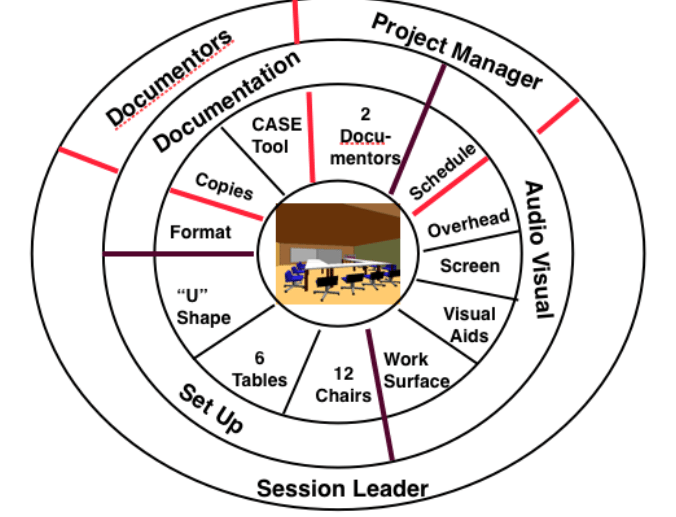
Meeting Graphics — Increasing Complexity from Posters and Lists Through Matrices and Mandalas
Meeting graphics such as illustrations capture concepts and ideas that substitute for words. Why should we care about meeting graphics and illustrations? Meeting graphics can substitute for words. Illustrations, icons, and symbols make it easier to...

5 Tips on How to Facilitate Board Meetings (or Committees)
You may effectively facilitate Board Meetings by relying on Robert’s Rules of Order, however, blend in facilitative leadership skills to improve your decision quality. In 1876 General Henry M. Robert wrote the rules of American Congress...

Tips on How to Back up Meeting Output from Whiteboards/ Easels
Using your telephone or a separate camera to record and back up meeting output will help you avoid losing valuable information. You will capture various benefits with very little time or resources required. Back up with a digital camera to provide...
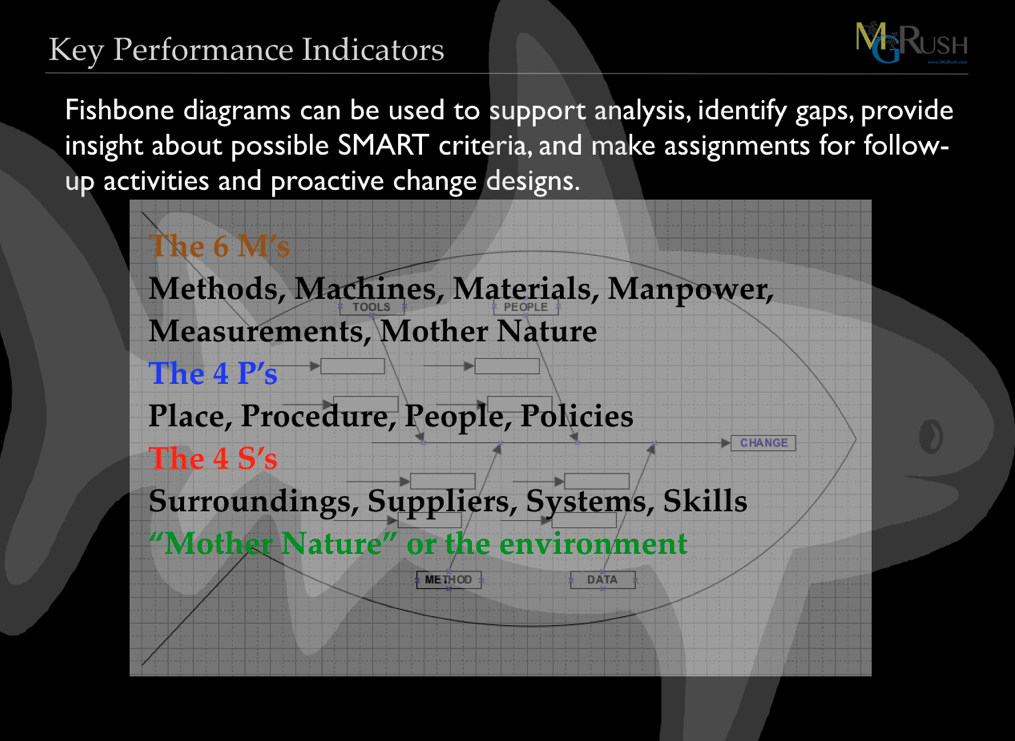
Facilitate Root Cause Analysis that Leads Directly to Innovation and Measures
By using root cause analysis, you can develop Objectives and Key Results (OKR), Critical to Quality (CTQ), Key Performance Indicators (KPIs), and Objectives/ Key Results (OKRs). Sometimes referred to as Ishikawa or “Fishbone” diagrams, the...

How to Conduct Better Staff Meetings That People Want to Attend
Your regularly scheduled staff meeting may not be an event that your staff anticipates. Some employees might prefer having a root canal. At least with a root canal, pain medication is provided. You can lead better staff meetings, and quicker too,...

Ensuring Meeting Inclusiveness — How to Value Diversity & Plurality
The primary responsibility of a facilitator is to protect the participants. Furthermore, the facilitator helps drive the group toward its desired deliverable. Since the deliverable is built to serve the participants, people should take priority...
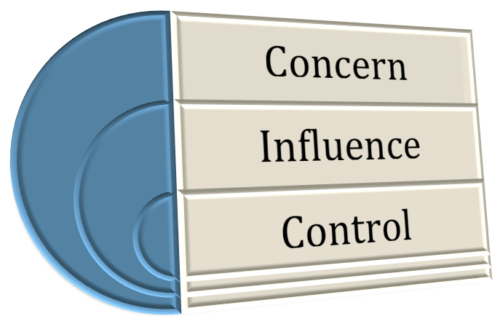
Scope Creep Kills: Facilitate Concern, Influence, and Control
Scope creep kills projects. It also kills meetings. The consensual sphere of Concern, Influence, and Control helps a group become mindful of aspects that could alter the group's attitudes, beliefs, and decisions. The consensual sphere of Concern,...

Use the Fist of Five to Test for Consensus on Contextual Issues
The Fist of Five approach combines the speed of thumbs up/ down and displays the degrees of agreement that can support more complicated decision spectrums. Using this tool, people vote using their hands and display fingers to represent their degree...
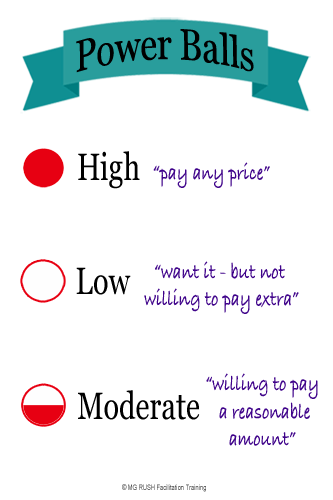
How to Facilitate Prioritization and Build Consensus Quickly (or, MoSCoW)
Strongly encouraged by Steve Jobs, as mentioned in his biography by Walter Isaacson, here is how to facilitate reducing some possible actions a team should consider, down to the final three or four actions your team has the resources to complete....
7 Reasons Why Agile Facilitation Provides a Powerful Mindset for Various Frameworks
We love Agile and an Agile mindset. You should too. For most of you, some version of Agile methodology will replace or at least substitute for waterfall SDLC (software development life-cycle) and PDLC (product development life-cycle). For many of...

Frequent Meeting Problems and What You Should Do About Them
Ever develop that sense of deja vu about not getting anywhere during a meeting? Meeting problems are indicative of resistance that is generated during a meeting. However, resistance can be prevented and mitigated with professional behavior. Here's...
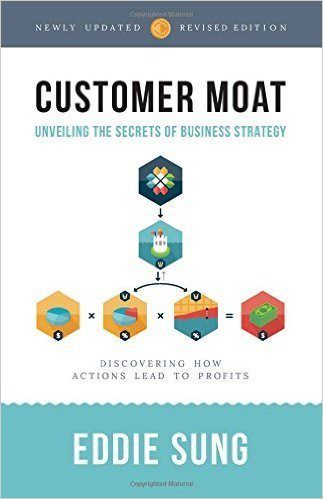
“Customer Moat: Unveiling the Secrets of Business Strategy”
Eddie Sung (Author) has released an easily readable book, Customer Moat: Unveiling the Secrets of Business Strategy, that some might call a primer. Although his discussion does not break new ground (like “Blue Ocean Strategy"), he brings life and...

The Most Effective Facilitators Stop Saying “I” — Use Pluralistic Rhetoric
As an effective facilitator, stop saying "I" Learn to naturally substitute the plural “we” or “us”. However, for others, it remains a significant challenge. Therefore, if challenged, consider this opportunity as the number one change you can...

How to Be Precise with Three Meeting Transition Questions: Do NOT Ask “How Do You Solve Global Hunger?”
Meeting Transition questions is highly effective because you cannot develop a plan, any plan, such as a marketing plan, by asking "What is the marketing plan?" The question is so broad as to be dull, ubiquitous, myopic, and broad (DUMB). It's not...
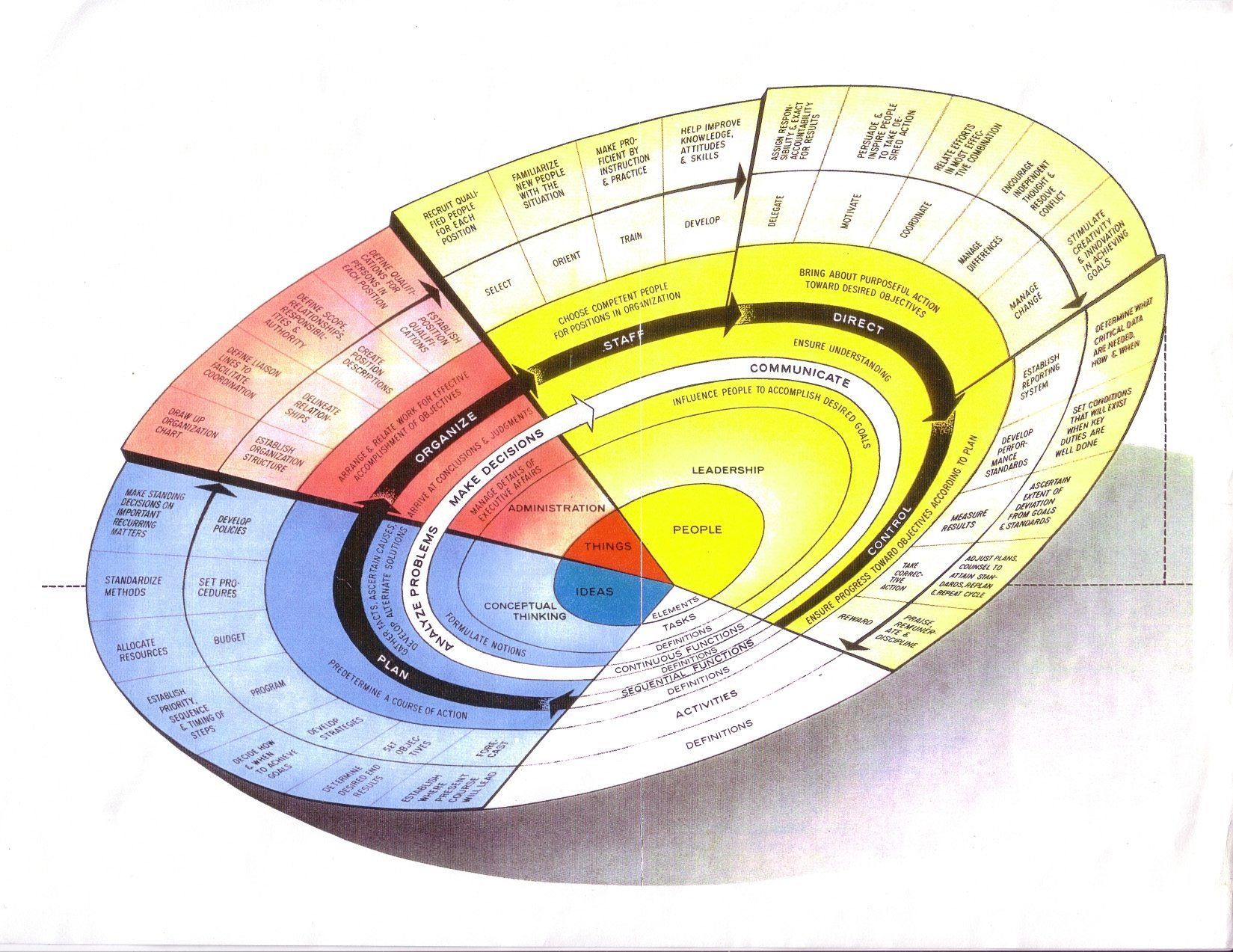
Differences Between Skills of Project and Program Management
Close analysis of the PMBOK® (version 5) suggests that all skills required for effective project management are also required for program management. The differences between project management and program management reflect the prioritization and...
Stop wasting time and money!
With Meetings That Get Results, you’ll learn how to lead meetings that produce clear and actionable results every time. More important, how to avoid the worst possible outcome from any meeting—another meeting!
Developed from over 17+ years of research, delivery, and practice, including 15,000+ hours providing live instruction using Certified curriculum, Meetings That Get Results provides you with the tools and methods necessary to lead meetings that generate clear and actionable results, with deliverables that participants both understand and own.
“An essential handbook for any leader or facilitator of meetings. Especially as we have transitioned to more remote-based collaboration, I value all the tips to lead global team meetings.”
— Sana A. Manjeshwar, Global Principal Ombuds Manager, Chevron